The Unforgettable Transformation of Walter White
When Vince Gilligan introduced us to Walter White in Breaking Bad, we met a man who was far removed from the kingpin he would become. Initially, Walter is a high school chemistry teacher diagnosed with terminal cancer, who decides to manufacture methamphetamine to secure his family’s financial future. What makes Walter's journey so compelling is the slow erosion of his moral compass. We see him evolve from a desperate man into someone who thrives on power and danger, rationalizing every questionable decision as an act of necessity. This transition is crafted meticulously through the show’s writing—whether it's Walt’s increasingly elaborate schemes to outwit his enemies or his manipulative interactions that alienate once-close relationships. One standout moment is Walter's first vehement declaration of his alter ego, Heisenberg, marking a point of no return. His arc is a study in how power corrupts and how desperation can lead one to redefine personal ethics. It's not just the shift in Walter's personality that's gripping but also the nuanced acting of Bryan Cranston, who captures the subtlety of this complex transformation. His story leaves us questioning the very nature of good and evil and why his journey feels both inevitable and entirely preventable.
Don Draper: A Study in Identity and Reinvention
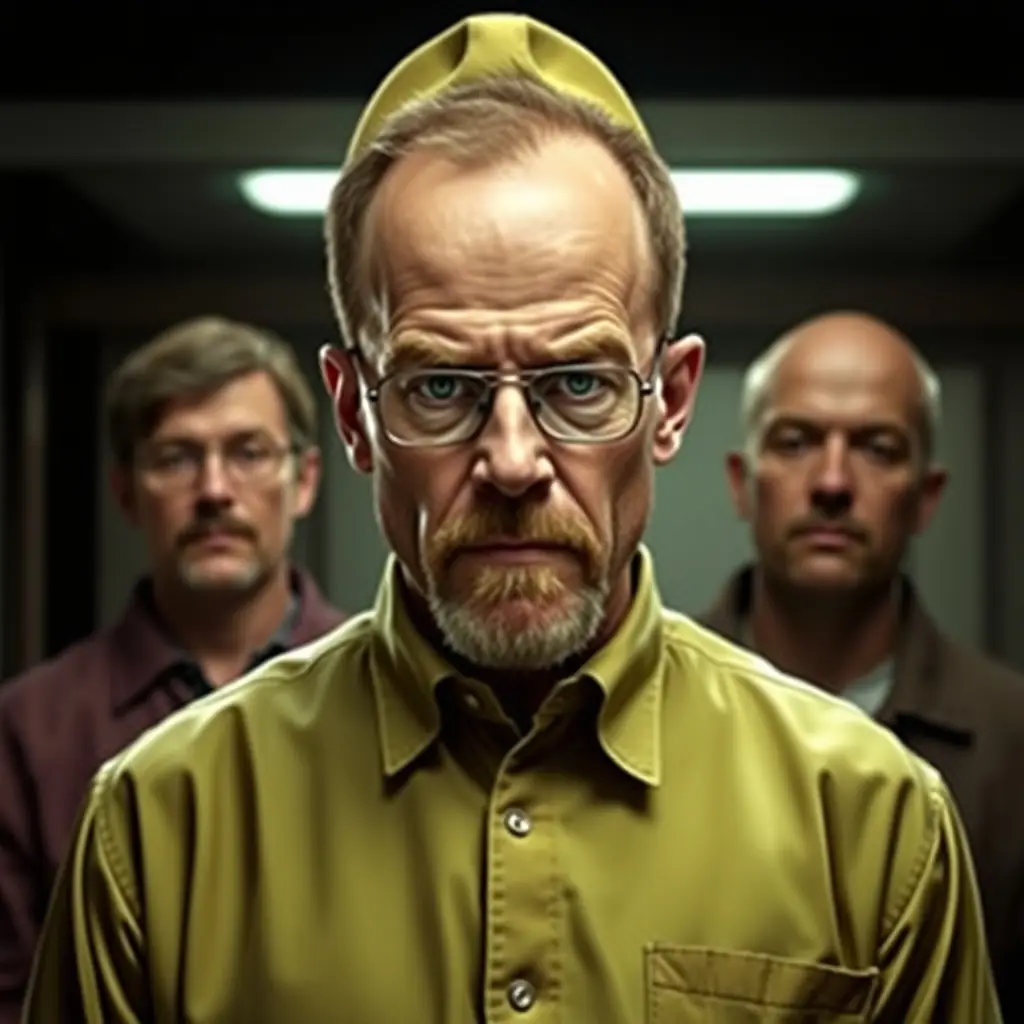
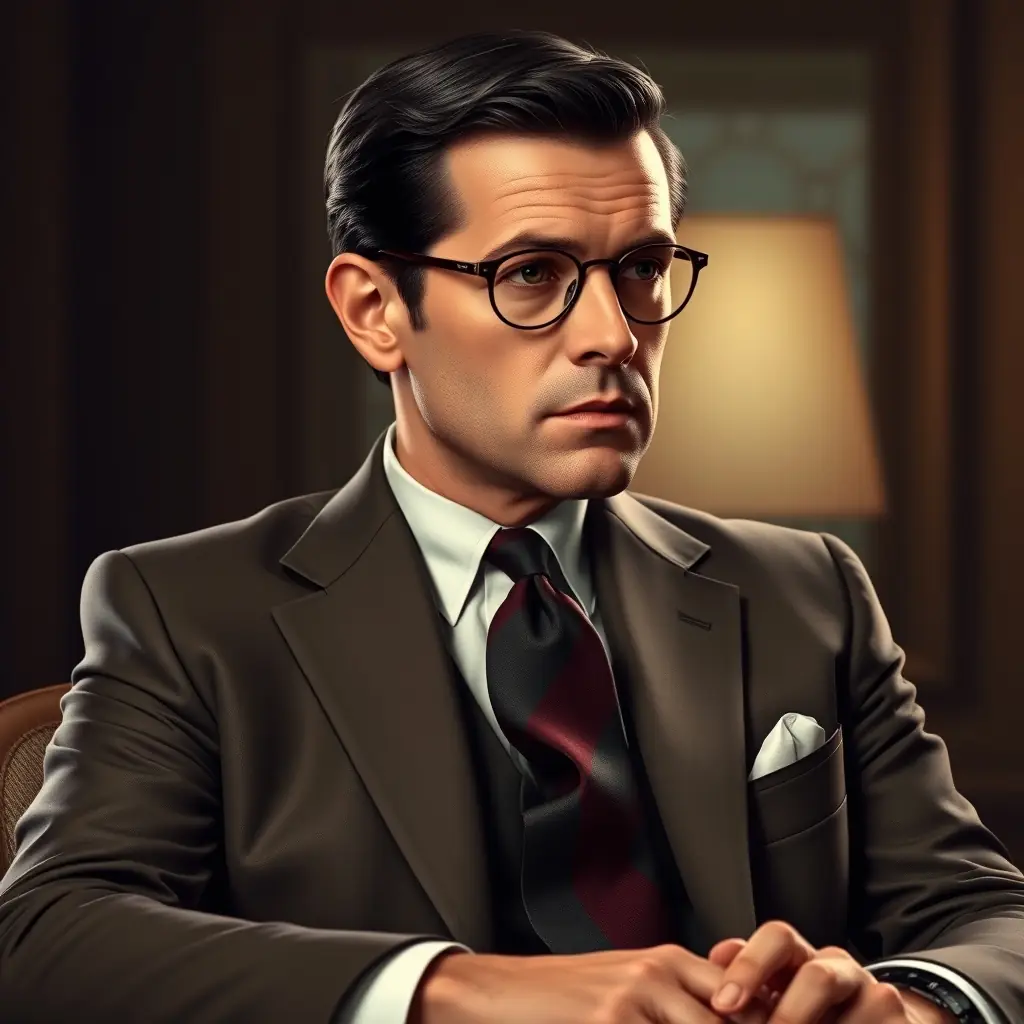
In Mad Men, Don Draper is a character who embodies the facade of the American Dream, with his immaculate suits and smooth-talking prowess. For me, Don’s journey is a masterclass in the art of reinvention. Born Dick Whitman, he assumes the identity of a fallen officer in the Korean War to escape his troubled past and start afresh. This duality is central to Don's narrative arc and plays out in his constant battle between who he is and who he presents himself to be. Viewers witness this struggle in moments like his awkward attempts at intimacy—even with those closest to him—or through the lens of his brilliant advertising campaigns, which often reflect his own desires and failures. What resonates is that Don, despite his outward success, is perpetually dissatisfied. The show's creators offer no simple resolution to Don's existential quest, instead presenting a man continually sacrificing his personal happiness for professional triumphs. Jon Hamm's portrayal keeps us engaged; his nuanced performance allows us to feel the weight of Don’s dual lives. For many fans, Don’s arc speaks to universal themes of identity, offering a reflection on personal evolution and the masks we wear.
The Debate Over Daenerys Targaryen's Finale
Game of Thrones incited many conversations about characters, but none as fervent as those surrounding Daenerys Targaryen's final arc. As a longtime viewer, I was initially captivated by Daenerys’s transformation from a pawn in other people’s games to a formidable leader. Her early story is one of struggle, surviving her volatile brother, claiming power, and amassing armies and allies. Importantly, her journey is marked by moments like freeing the slaves of Meereen, cementing her role as a breaker of chains. However, the final episodes shocked many, including me, as decades of character development were condensed into a swift decline into madness, culminating in the fiery destruction of King's Landing. This polarizing moment sparked heated debates about the storytelling choices. Was it a natural evolution of a character who showed glimpses of ruthlessness, or an unjust rush by the writers under time constraints? This divide highlights the unpredictable nature of her journey and illustrates how viewer attachment can clash with narrative decisions. Despite the controversy, Emilia Clarke's dynamic portrayal ensured that Daenerys remained a character whose legacy is as fiercely debated as it is compelling, leaving a lasting impact on television storytelling and its audience.