
The Evolution of Walter White in Breaking Bad
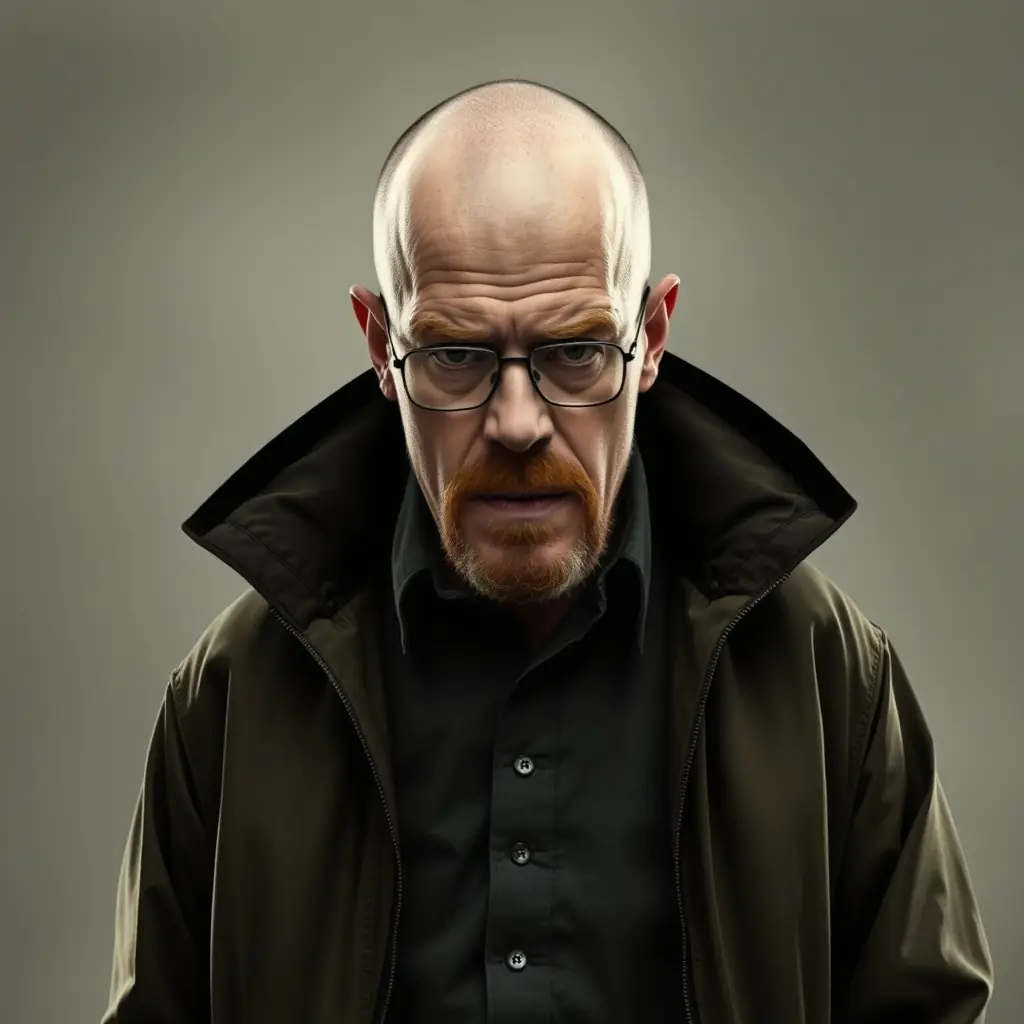
As a devoted TV fan, I've seen few character transformations as profound as Walter White's evolution in Breaking Bad . From the high school chemistry teacher suffering through life's unfairness to the infamous drug lord, White's arc is a masterclass in storytelling. In the beginning, we're sympathetic to his plight—terminal cancer coupled with financial struggles. His choices seem justified as he enters the drug trade to secure his family's future. However, as the series progresses, White becomes entranced by power. One subtle detail that hit me early on is his gradual change in wardrobe—from muted colors to darker, more intense shades—as his moral ambiguity grows. One memorable episode is 'Ozymandias,' where the facade fully shatters, showcasing the true extent of his transformation. This is a quintessential example of a deep dive into the shift from protagonist to antagonist, which pulls us in with its complex portrayal. Breaking Bad doesn't handhold us through White's transformation; instead, it forces us to confront our perceptions of morality, power, and identity, leaving a lasting mark that few other shows achieve.
The Intriguing Fan Theories Surrounding Lost
Lost remains one of the most debated series, with fans tirelessly dissecting its enigmatic plotlines and endings. I remember watching it as each episode unfurled layers of mystery and suspicion. One of the most talked-about theories is the nature of the island itself. Was it purgatory, a time-travel experiment gone awry, or something more supernatural? This show excelled in crafting an atmosphere where each glance and phrase appeared intentional. Take the iconic numbers (4, 8, 15, 16, 23, 42)—fans speculated endlessly about their significance. What drew me in was how confident the writers were in leaving breadcrumbs, making even the smallest details a treasure trove for discussion. It's a testament to a show's power to fuel its fans' imaginations, cementing its status as a classic where debates extend years beyond its conclusion. Despite the polarizing ending, the richness of its narrative intrigues me to this day.

The Complex Dynamics in The Sopranos
What makes The Sopranos unforgettable isn't just its engaging gangland themes but its rich tapestry of complex characters, especially Tony Soprano himself. I've watched as Tony's battles with mental health unfold, none more poignant than his therapy sessions with Dr. Melfi. These sessions bring a stark vulnerability to his otherwise hardened persona. What stands out is the show's nuanced portrayal of toxic masculinity, power struggles within the mob, and Tony's personal battles that echo throughout the Sopranos' universe. One memorable scene is where Tony grapples with a panic attack as he feeds the ducks—a beautiful metaphor for his concern over losing control. The brilliance of The Sopranos lies in melding dramatic crime elements with human complexities, painting a world that, despite its violent exterior, strikes a chord with the chaos of everyday life. It's this tension between inner turmoil and external bravado that solidifies The Sopranos as a piece of television history worth revisiting.