Breaking Down Walter White: From Teacher to Infamous Icon
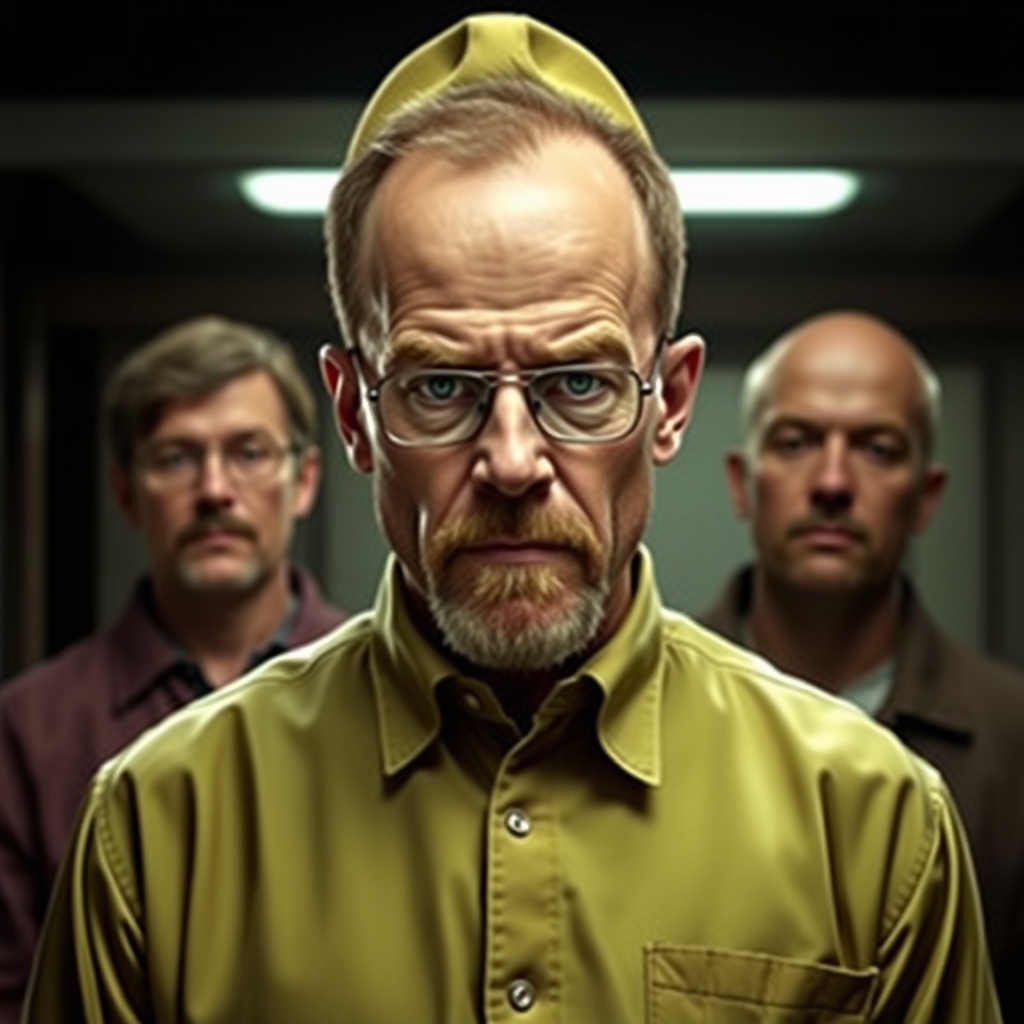
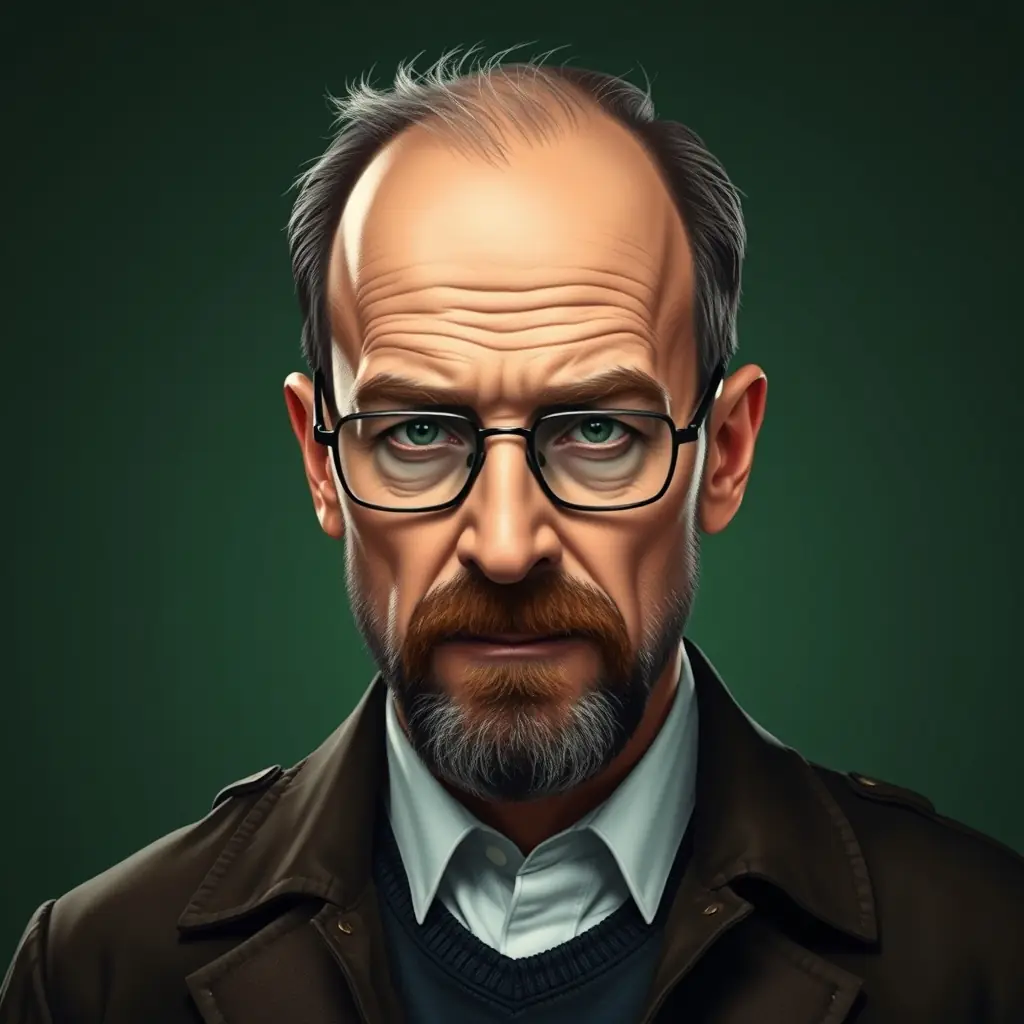
Walter White's transformation from a mild-mannered chemistry teacher to the feared drug kingpin Heisenberg is one of the most discussed character arcs in television history. I remember watching the pilot of 'Breaking Bad' and feeling like I was embarking on a rollercoaster ride that expertly blended suspense and moral questioning. As the seasons progressed, the show delved into Walter’s motivations, revealing a man whose desperate circumstances and growing ego led him down a path of no return. It’s fascinating how the writers managed to balance sympathy and repulsion, leaving viewers to question their allegiance at every turn. Walter's infamous 'I am the one who knocks' moment is burned into my memory—it was a line that encapsulated his complete transformation. Discussing the show on Reddit or with friends often spirals into debates about when, or if, Walter ceased being the protagonist. It's a storytelling feat that left an indelible mark on the TV landscape, showcasing how character depth and complex moral nuances keep a series etched in our collective consciousness long after the credits roll.
Decoding the Mystery of 'Lost': Characters That Defined a Generation
'Lost' was more than just a show—it was a cultural phenomenon that incited intense speculation and debate over the internet. The character of John Locke, with his faith-driven narratives and enigmatic backstory, kept me glued to the screen. One of the most gripping aspects was Locke’s unwavering belief in the island’s mystical properties, which was starkly contrasted against Jack’s logical skepticism. This dichotomy played out against a richly woven tapestry of past, present, and potential futures, making every episode essential viewing. Locke’s journey from a paralyzed man of faith to a fervent island zealot highlighted how belief and destiny can shape one’s identity. Theories about the island’s purpose and the significance of each character's flashbacks had fans crafting intricate theories even years after the show concluded. Debating ‘Lost’ with friends always stirs the emotions, especially when discussing its controversial finale that left many questions open, challenging viewers to interpret the story on their own terms.
Analyzing Daenerys Targaryen: Queen of Fire and Blood
Daenerys Targaryen’s journey from a timid exile to a powerful ruler in 'Game of Thrones' captivated viewers around the globe. I was in awe of her early episodes—watching her rise against the odds to become the Mother of Dragons was nothing short of inspiring. Her character arc is a study in ambition and morality clashing on a grand scale. As Daenerys embraced her destiny to ‘break the wheel,’ she also grappled with the mammoth weight of power. Her final descent into madness during the series’ climax sparked wide ranging discussions on character development and narrative choices in television. I still find myself pondering whether her drastic change was too abrupt or subtly foreshadowed throughout her reign. The rich debates on fan forums often circle back to her potential for tyranny being hinted at as early as season one. ‘Game of Thrones’ left fans divided, but it undeniably demonstrated how a character's intricacies can galvanize viewers into deep analysis, discussing not only what transpired but also the myriad ‘what ifs’ that linger post-credits.