The Rise of Ronald McDonald: Beyond the Clown
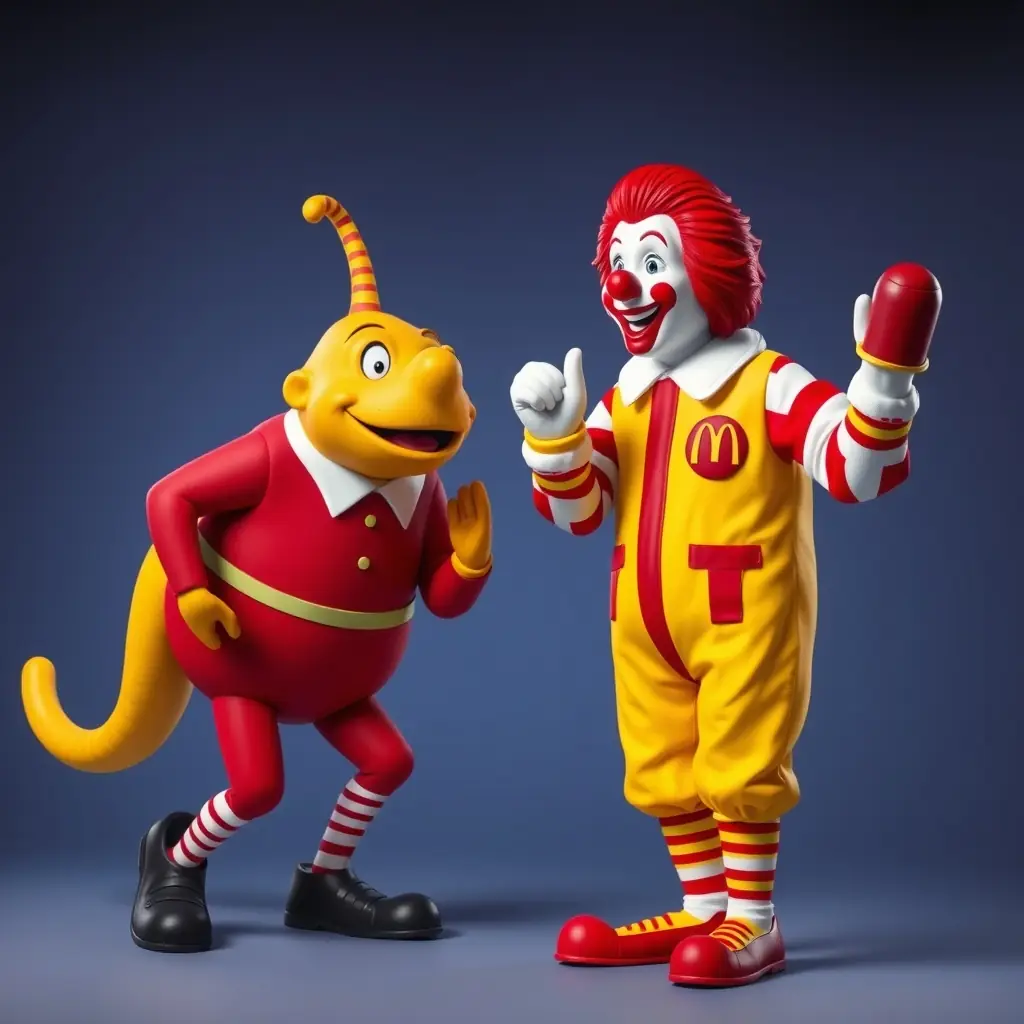
When people think of fast food mascots, Ronald McDonald often comes to mind. But what some might not realize is how much his character has evolved over the years. Introduced in the 1960s, Ronald was initially just a jolly representative for McDonald's. However, by the 1990s, he had morphed into a fixture of children's television, complete with his own set of friends like Grimace, the Hamburglar, and Birdie. These characters were more than just sidekicks; they collectively established a universe that played a major role in marketing fast food to kids. Watching Ronald McDonald's adventures in 'Ronald McDonald House' not only entertained children but built lifelong brand loyalty. His character subtly taught values, emphasized friendship, and promoted fun through fast food-centric storylines. I've watched more than my fair share, and it was clear those shows had a narrative depth that surpassed simple product promotion.
Colonel Sanders and the Southern Charm
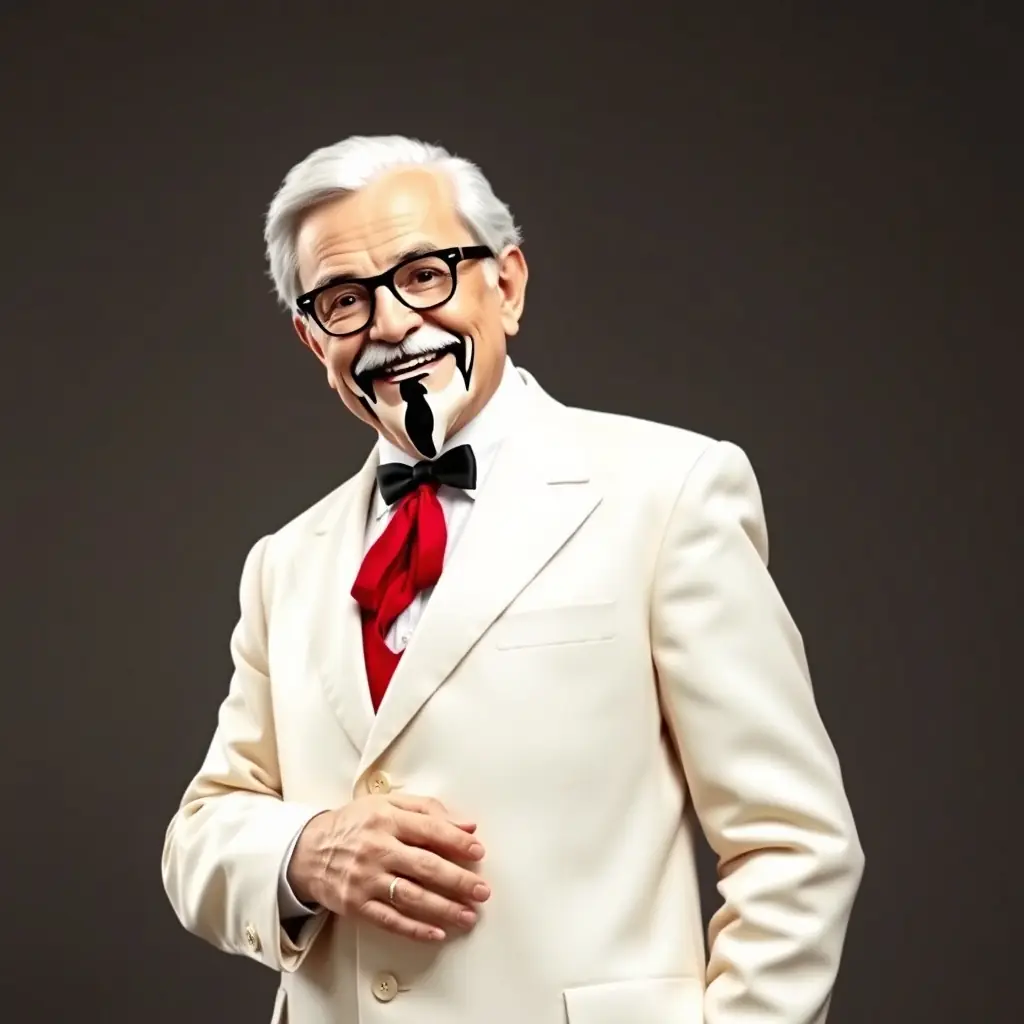
Colonel Harland Sanders is more than just the face on a bucket of chicken; he is a celebrated character in American fast-food folklore. Known for his southern charm and unique recipes, his persona transcends mere brand representation, appearing frequently in TV commercials and even late-night talk shows. Fans of the Colonel, like me, appreciate how KFC integrates his story across advertising narratives. Despite changes in actors portraying him, the Colonel's distinctive white suit and gentlemanly demeanor remain constant, offering a comforting sense of continuity. I've always been fascinated by how effectively KFC uses his character to tell stories of tradition, emphasizing the idea that no one does chicken quite like the Colonel. This focus on authenticity and storytelling over purely promotional content shows the depth a character can bring to a brand's lore, helping to secure KFC's place in fan memories and discussions alike.
The King: Mysterious and Meme-Worthy
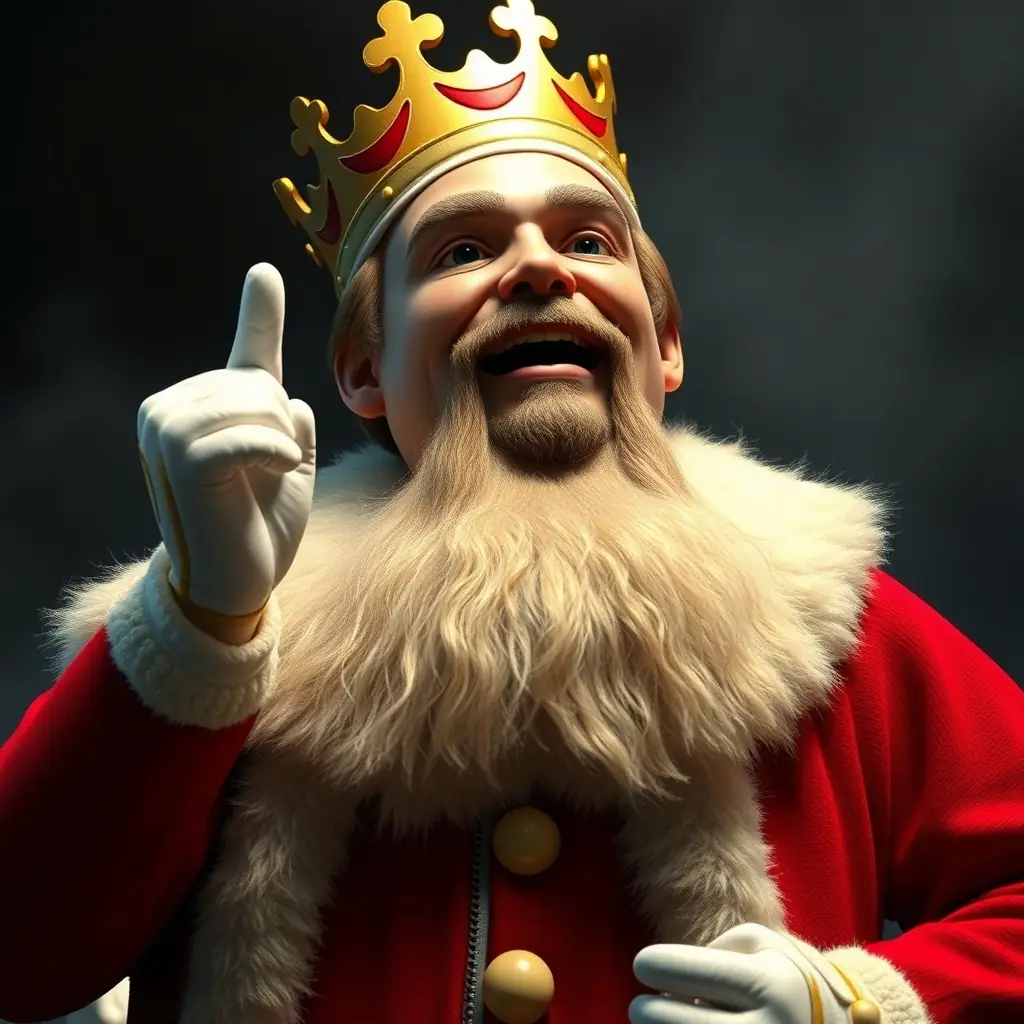
Burger King's 'The King' has always been a bit of an enigma. Unlike Ronald or the Colonel, he doesn't speak and his appearances are quirky, often surreal, lending an air of mystery that sparks curiosity. I remember when commercials featuring 'The King' would pop up during my favorite TV shows, grabbing attention with his silent antics and unexpected situations. This silence is a stark contrast to the chatty farm of other fast-food mascots, making his character both haunting and fascinating. 'The King' memes and parodies have also reinforced his status, showing how a character in fast food advertising can extend beyond the advertisements, entering the realm of digital culture. You'd often find him depicted in countless internet jokes, further embedding his image into pop culture. This clever twist consistently keeps him relevant, even to those of us who might not frequent Burger King but definitely recall his iconic sneaky smile.