
Evolving Antagonists: The Complexity of Villains
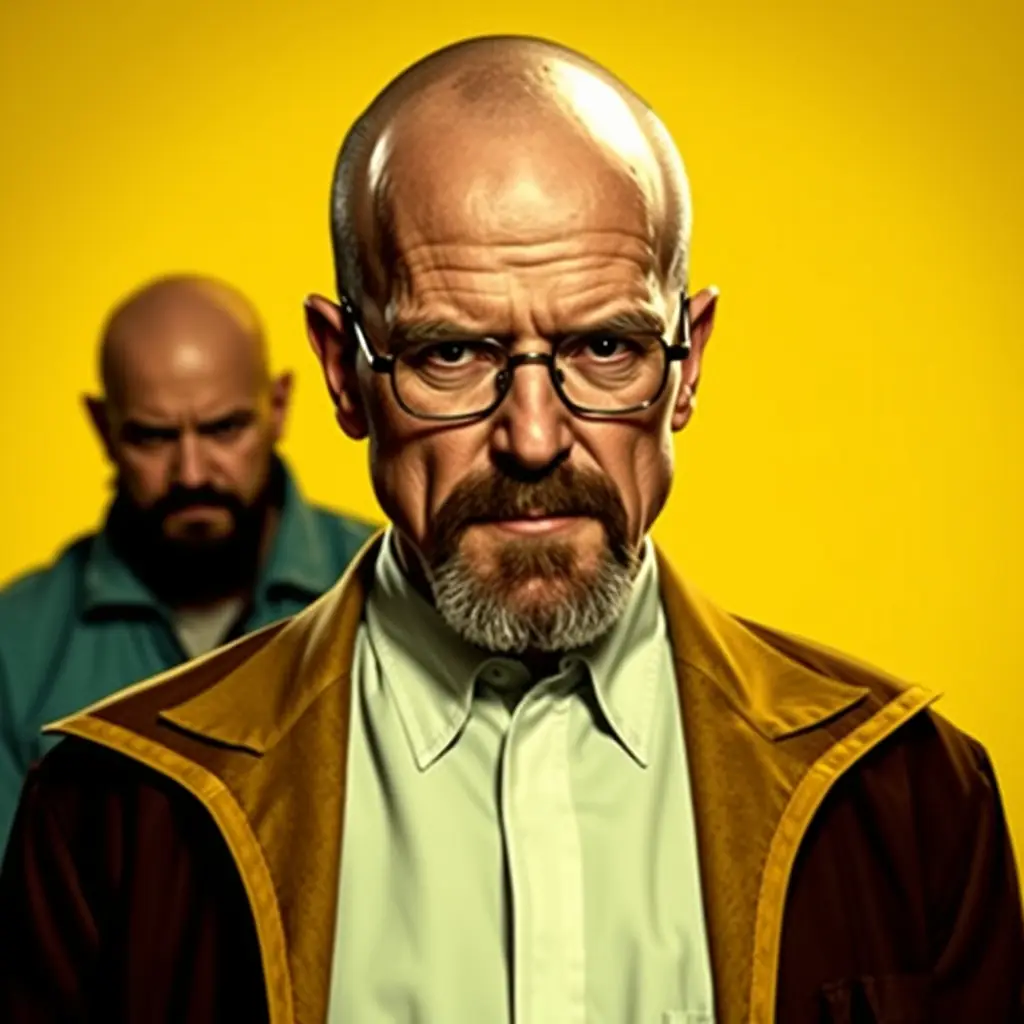
There's something captivating about a well-crafted villain. Take Walter White from 'Breaking Bad', for instance. Starting as a high school chemistry teacher, viewers saw his slow descent into the ruthless drug lord, Heisenberg. This transformation is a masterclass in character development, highlighting the duality of being human and villain. We all saw the signs coming—his desperation, his pride—but could we have predicted just how far he would go? Each episode added depth, turning him from a simple character into a multi-faceted persona that fans debated long after the final credits rolled. Walter's arc was so compelling because it forced viewers to feel ambiguous about moral definitions. The show dared audiences to relate to his initial struggles and question their boundaries. The beauty lies in how it blurred lines between protagonist and antagonist, creating depth that set 'Breaking Bad' apart as a must-watch series. Such well-rounded villain arcs are rare, but when they occur, they become ingrained in pop culture, becoming a touchstone for discussions on morality and character complexity on TV.
Beloved Heroes: The Timeless Appeal of the Underdog
If there's one archetype television consistently returns to, it's the underdog hero. Think of Leslie Knope in 'Parks and Recreation'. Initially dismissed as overly enthusiastic and somewhat naive, she gradually wins the hearts of her colleagues—and viewers—with her relentless positivity and commitment to bettering her community. Her journey from a frustratingly optimistic government employee to the passionate Deputy Director of Parks and Recreation showcases triumph over adversity, but never in an unrealistic way. Leslie's appeal lies in her resilience and how she strikes a chord with anyone who's ever felt underestimated. Through her ups and downs, viewers witness personal growth, reminding us that the most impactful storylines often come from characters who face, and overcome, personal adversity. What makes Leslie's arc unforgettable is the balance of humor and genuine emotion, ensuring her place as a beloved character in TV history. This blend of relatability and inspiration is what keeps audiences rooting for their favorite underdogs and solidifies their status as memorable icons.

Fan Theories and Debate: The Shows that Keep Us Talking
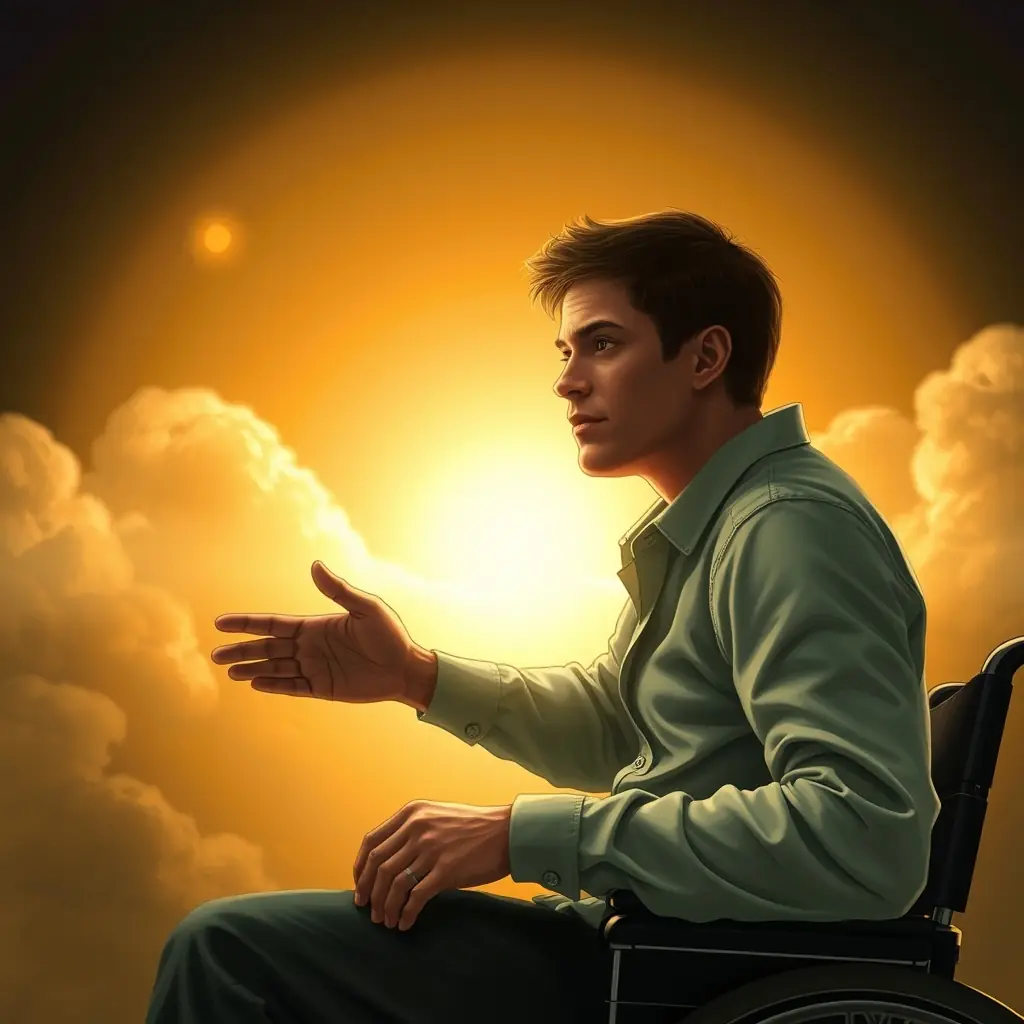
TV shows that encourage fan theories become cultural phenomena largely due to their complex narratives and enigmatic characters. Take 'Lost', which sparked endless discussions and theories throughout its run and even years after it ended. Fans dissected each episode, debated the meaning behind each twist, and speculated on the character's motivations and mysteries. In particular, characters like John Locke perpetuated fan debates. His transformation from a man confined to a wheelchair to a believer of the island's mystical powers captivated audiences. It wasn't just his faith that intrigued viewers—it was the underlying questions about destiny versus free will. Such depth gave rise to multiple theories about his true purpose. These discussions highlight the impact of layered storytelling that shows like 'Lost' bring to the table. They captivate and engage viewers by planting seeds of curiosity and encouraging collective hypothesizing. It's this robust engagement that keeps a series alive in pop culture consciousness long after the finale airs, proving the power of a well-crafted storyline and intriguing character arc.