
The Art of Complex Characters
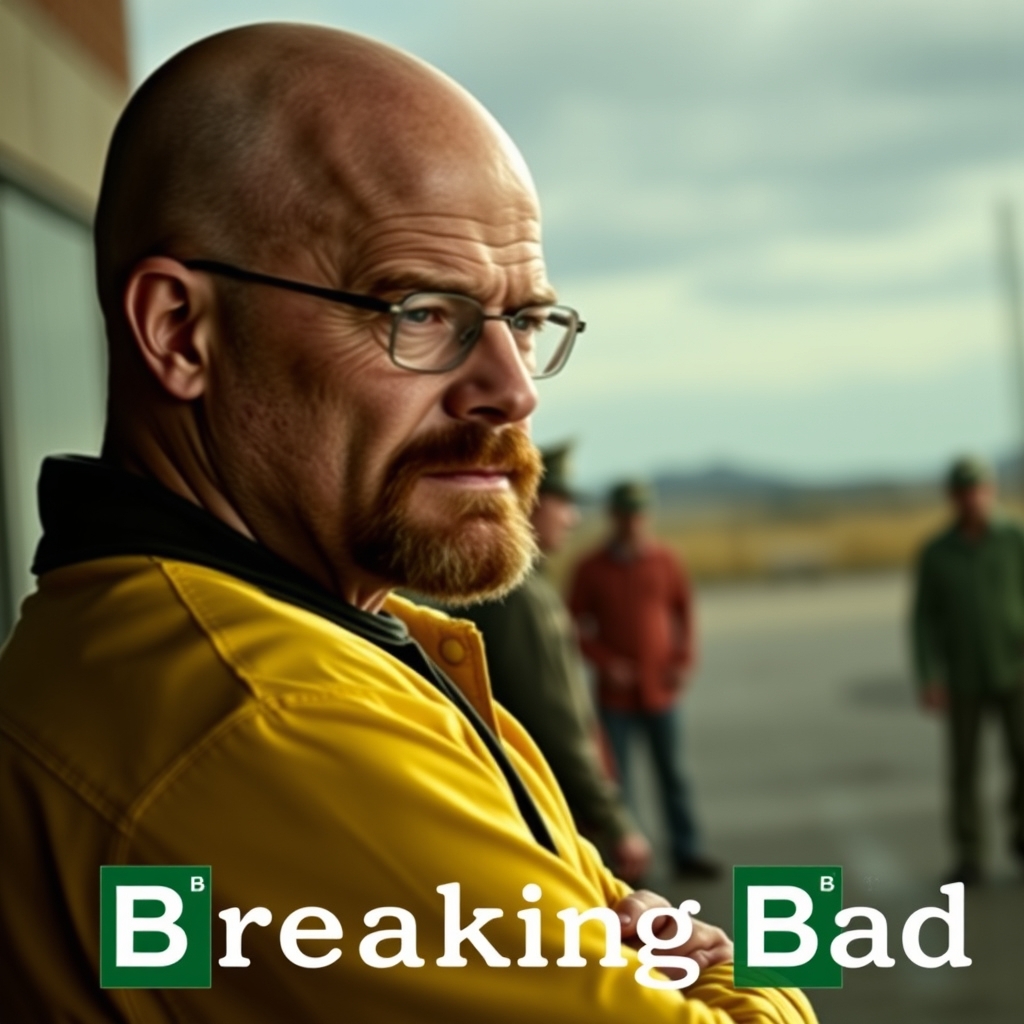
‘Breaking Bad’ is renowned for its deep, multifaceted characters. As someone who has journeyed through all five seasons, I can confidently state that the evolution of Walter White remains one of the most compelling character transformations on TV. Bryan Cranston impeccably portrays a high school chemistry teacher who becomes a feared drug kingpin. Every decision he makes seems terrifyingly plausible, rooted in desperation, pride, and an unspoken hunger for power. Yet it's not just Walter; every character from Jesse Pinkman, played by Aaron Paul with raw authenticity, to the steely and enigmatic Gus Fring adds layers to an already rich narrative. As a viewer, I found myself sympathizing with characters even as they spiraled deeper into moral ambiguity, which speaks to the profound writing and acting. The show shines in its ability to make viewers confront their own moral compass, prompting reflection on the thin line between good and evil. Rarely does a series maintain such a strong emotional pull while offering the intricate psychology prevalent in ‘Breaking Bad.’ It's these sharply drawn characters and their development that keep audiences so invested, making it a standout in modern television drama.
Storytelling That Keeps You on Edge
One can't discuss ‘Breaking Bad’ without delving into its masterful storytelling. Vince Gilligan’s impeccable narrative structure ensures that each episode builds organically from the last, maintaining a relentless momentum. The series excels at keeping viewers perched on the edge of their seats. Between the high-stakes scenarios and morally complex situations, it’s a rollercoaster that never loses its thrill. I recall sitting through the iconic 'Ozymandias' episode with my heart racing, witnessing consequential events unfold, each more shocking than the last. From its use of imagery and foreshadowing to the clever integration of music, every detail amplifies the tension stitched into each scene. As someone who’s rewatched the series more than twice, each viewing reveals a new layer, some nuance previously missed during the thrill of the first watch. This dedication to detailed storytelling results not only in suspense but in moments that resonate long after the credits roll. Viewers come back for how the show turns seemingly mundane moments into pivotal turning points, creating an enduring masterpiece of suspense and emotion.
The Real-World Themes Explored
At its core, ‘Breaking Bad’ isn’t just a story about drugs. It probes into real-world issues that resonate with many. From the crushing burden of healthcare costs to the consequences of unchecked ambition, it’s a narrative that finds its reflection in everyday life. Walter’s descent into darkness is catalyzed by his diagnosis of lung cancer, showcasing the lengths one might go when backed into a corner. As a fan, I’ve appreciated how the show uncovers the societal pressures facing individuals, particularly in a setting as unassuming as Albuquerque, New Mexico. This stark backdrop further emphasizes the extraordinary decisions Walter makes. Simultaneously, the series doesn’t shy away from exploring the impact of crime beyond the individual. It paints a vivid picture of how the underworld's tentacles reach and disrupt families, communities, and entire social frameworks. For viewers like me, who enjoy narratives that hold a mirror to society, ‘Breaking Bad’ offers a rich tapestry of themes that prompt reflection long after the final episode airs. The series artfully combines drama and commentary, making it both an engaging and thought-provoking watch that continues to captivate viewers worldwide.