Breaking Bad: Redefining Anti-Hero Narratives
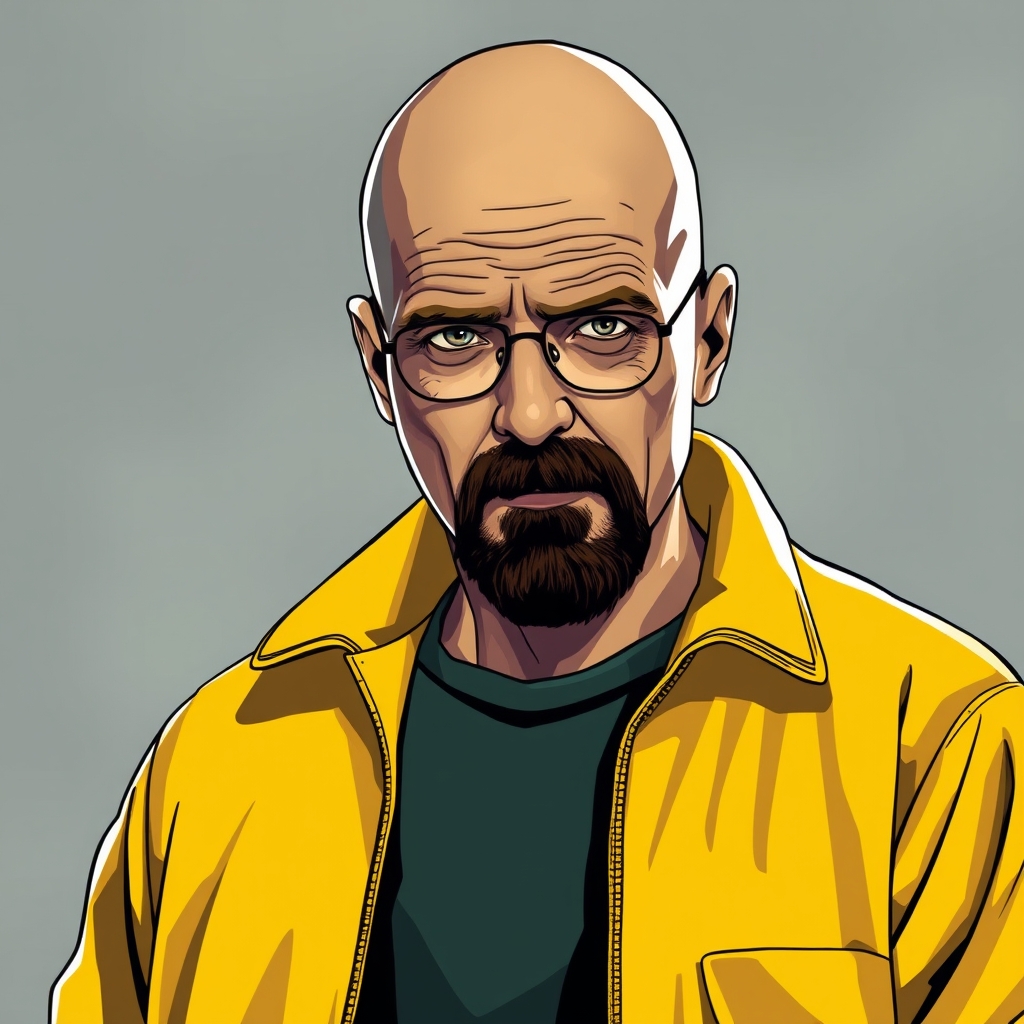
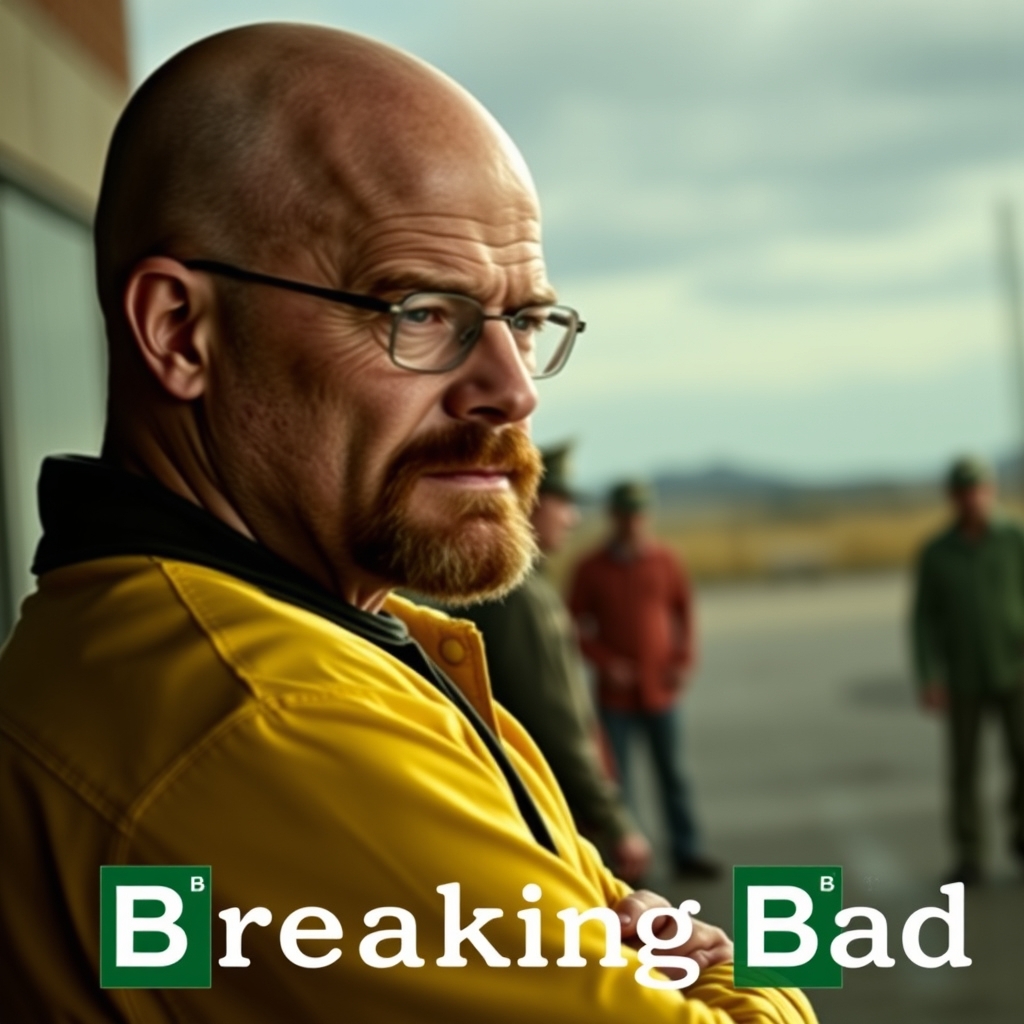
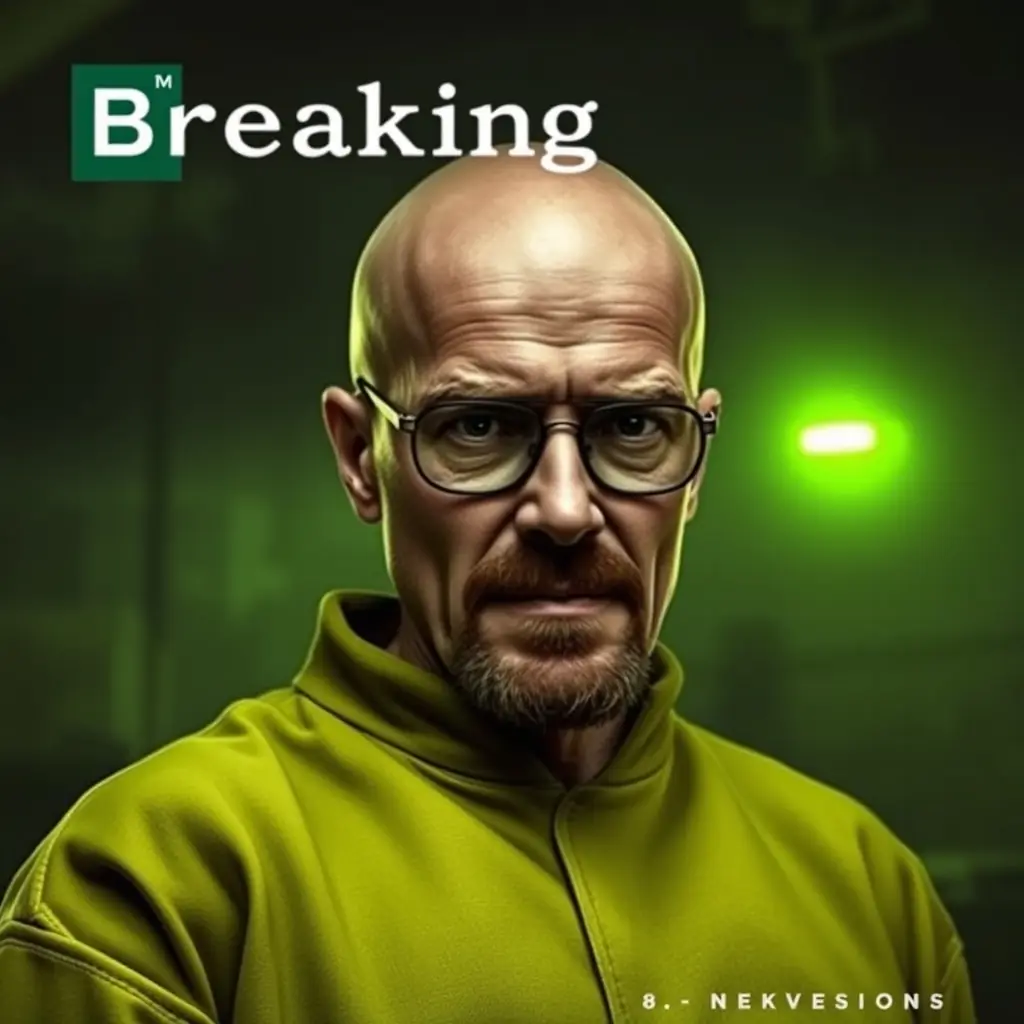
When Breaking Bad first aired, the concept of a high school chemistry teacher turning to methamphetamine production seemed, at best, a hard sell. Yet, Vince Gilligan's inventive approach transformed television narratives by meticulously crafting Walter White’s descent from a mild-mannered teacher into a complex anti-hero. Having watched the entire series myself, I can attest that it's the storytelling and character development that set Breaking Bad apart from other series. The series cleverly balances its dramatic tension with sharp humor, creating a backdrop of Albuquerque, New Mexico that becomes almost a character in itself. I remember the tension I felt during Walter's standoffs with DEA agent Hank, which were perfectly underscored by the show's striking cinematography and musical score. It's this relentless evolution of Walter, portrayed impeccably by Bryan Cranston, that keeps viewers invested and challenges their sympathies. However, it's not just about Walter; supporting characters like Jesse Pinkman bring their own layers of depth. These elements altogether reinvented how anti-heroes could be portrayed, making it a touchstone for future series exploring similar territory.
The Crown: Humanizing Monarchical Figures
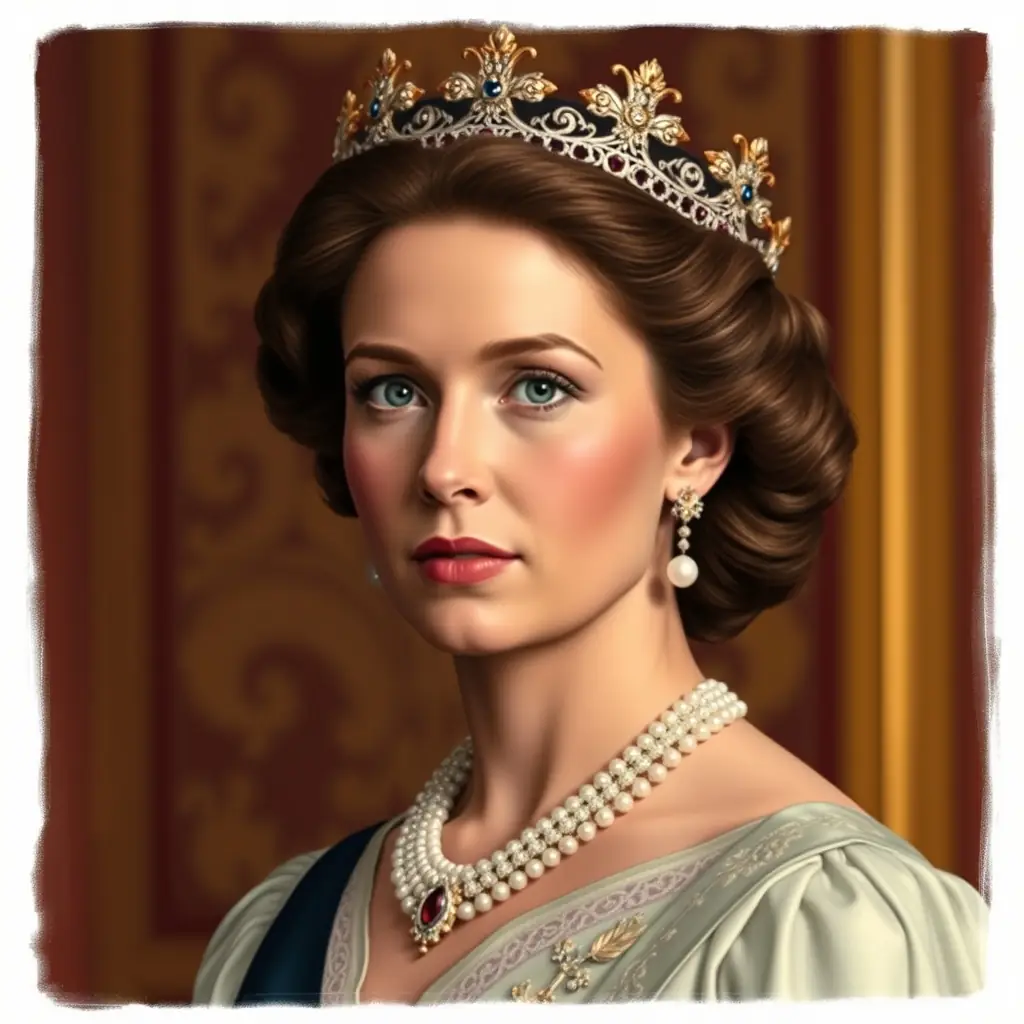
Watching The Crown , I couldn't help but be drawn in by its ability to humanize historical figures often shrouded in mystique. This series turns the British monarchy into an intensely personal drama, checking royal grandeur at the palace gates, and allowing viewers to witness the complexities behind Queen Elizabeth II’s reign. From my perspective, the show excels in crafting a compelling narrative from a wealth of historical research, seen most clearly in the meticulous set designs and costume accuracy. It's Claire Foy's portrayal of a young Elizabeth that captivated me in the early seasons, capturing the monarch’s struggles in balancing personal desires with national duties. What's fascinating is how the series transcends typical period drama by weaving in contemporary commentary—viewing the monarchy through both a historical and modern lens. The show's artful cinematography and detailed scripts make it more than just a biopic; it’s a multi-layered exploration of power, duty, and identity that invites viewers to ponder how these themes echo beyond the palace walls.
Stranger Things: Reviving '80s Pop Culture
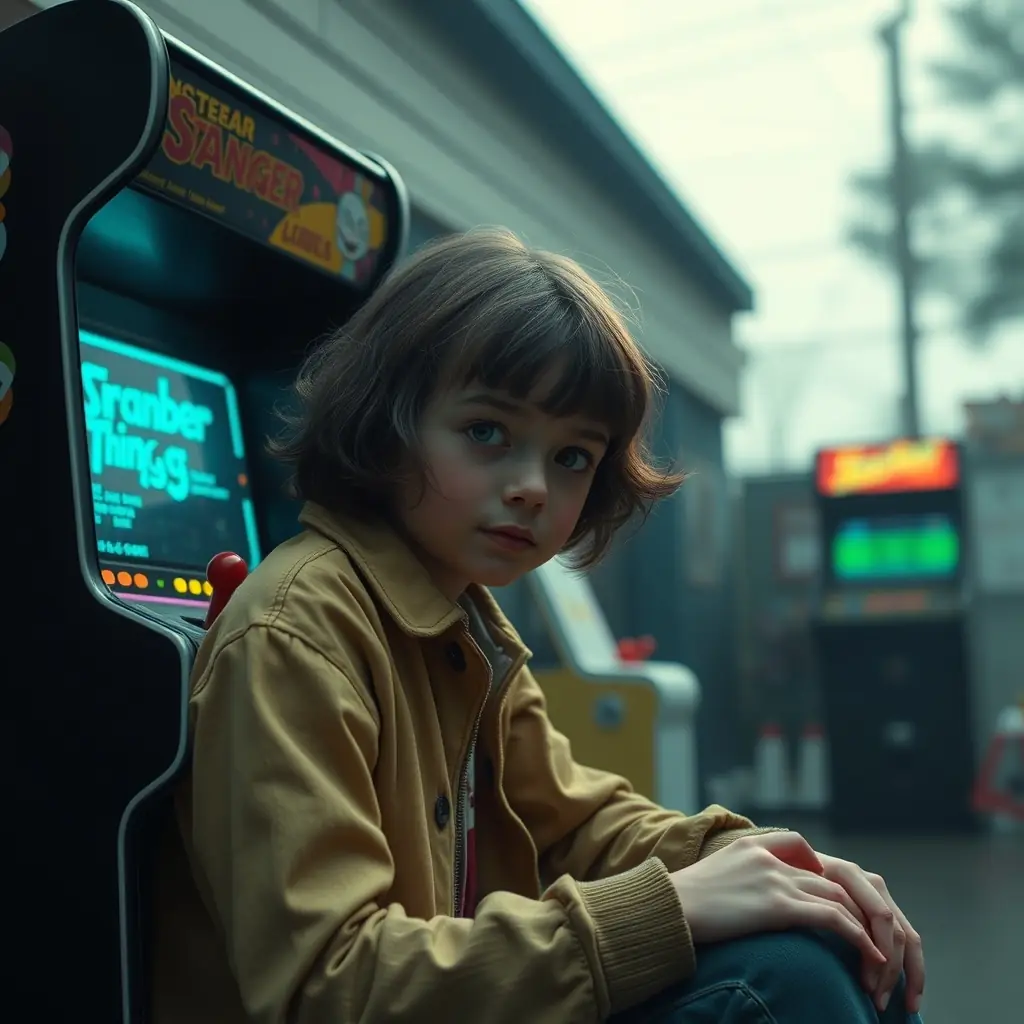
For a fan of retro nostalgia like myself, Stranger Things is a thrilling trip down memory lane. Created by the Duffer Brothers, the series unashamedly taps into '80s pop culture, blending supernatural elements with the quintessential coming-of-age saga. I often find myself fascinated not only by the extraordinary narrative but also by the impeccable cultural references that punctuate each episode—from the vintage arcade cabinets to the synth-heavy score reminiscent of John Carpenter. As a viewer, the evolution of characters like Eleven and Mike provides a genuine emotional core, set against the eerie backdrop of Hawkins, Indiana. Beyond the supernatural thrills, there's a resonant theme of friendship and perseverance, showcased through the young cast's compelling performances. The attention to detail in recreating the '80s vibe—right down to the clothing styles and colloquial slang—adds an authentic layer that both resonates with audiences who lived through the decade and intrigues younger viewers fascinated by its charm. It’s this seamless blend of horror and heartwarming nostalgia that makes Stranger Things a standout in modern television.